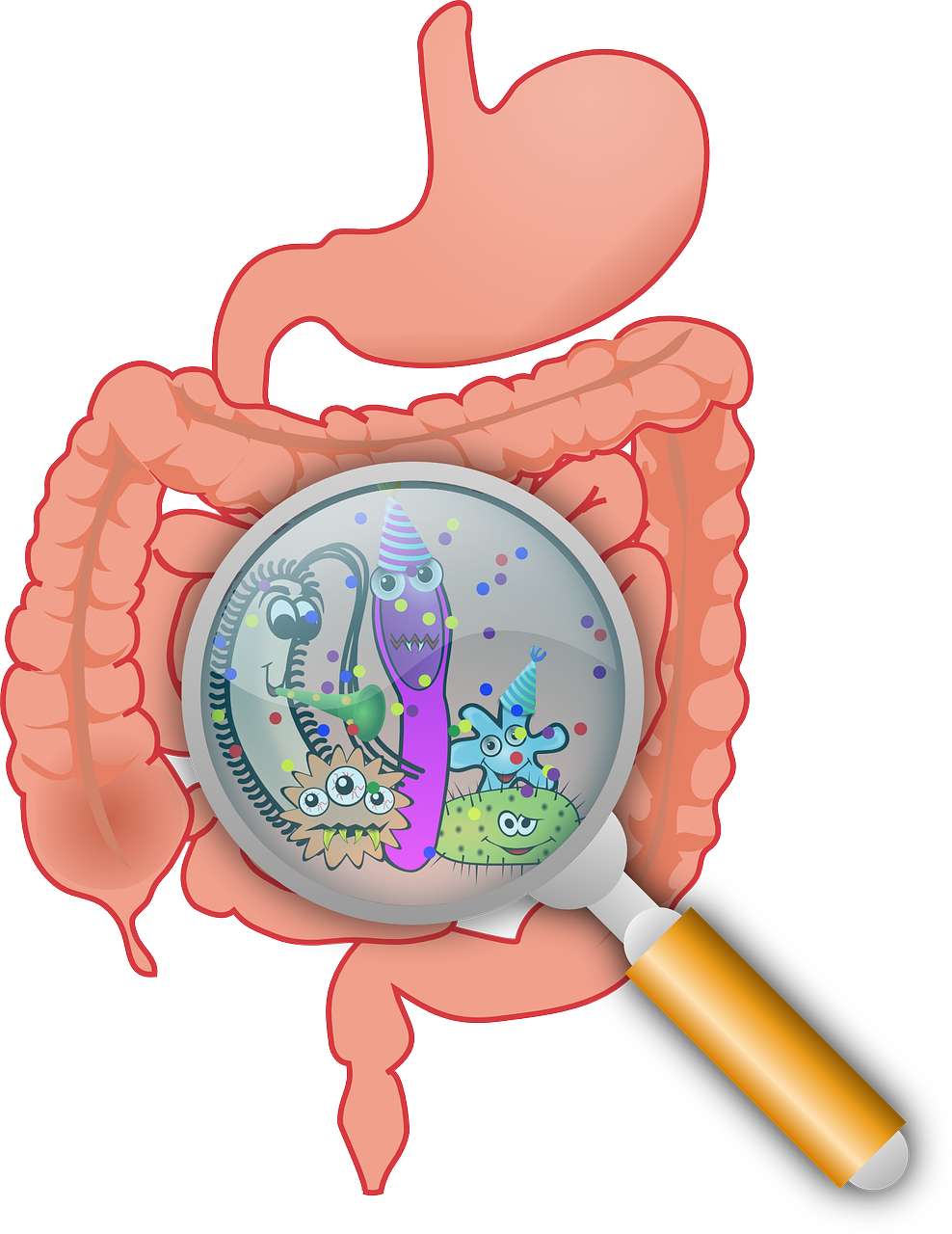
Before taking microbiology, I had never thought about my own microbiome but in fact I had! I use probiotics daily and the effectiveness of these probiotics is still being studied. The microbiome is fascinating because the early development of it is essential to one’s health throughout your entire life. Recent research is also finding that the microbiome can change throughout life and is not only influenced in the first years of life. A specific study, in the Journal of Clinical Medicine, researched renal transplant patients that had received their transplant at least a year before the study and they compared the microbiome of those patients to healthy individuals. It is often reported that those who have received a renal transplant then suffer from chronic diarrhea and abdominal pain and these researchers investigate the microbiome’s role in these issues. The researchers collected fecal samples to extract DNA and genes for the 16S rRNA of the participants. The study found that individuals who had received a renal transplant had lower diversity in their microbiota along with higher levels of Proteobacteria and lower levels of butyrate-producing bacteria.
The butyrate-producing bacteria are very important to gut health and also influence the effectiveness of regulatory T-cells. This can increase inflammatory responses that can be linked to this dysbiosis in the gut microbiome. Immunosuppressive drugs and antibiotics play a large role in the disruption of this microbiota but the addition of butyrate can help to balance the low butyrate-producing bacteria concentration in renal transplant patients to help with or prevent chronic diarrhea. When the microbiome is not is dysbiosis however, it helps us in the digestion of every single thing we eat…even if that thing may have toxins. Another study I found in Current Pharmacology Reports, it explores the ways in which the microbiome can chemically change ingested arsenic in the gut.
This report includes that the microbiome can influence the toxicity of arsenic in the body and this is important because arsenic is an ingredient in some medications. It is also found in the environment and can be inhaled, it can contaminate water, it is found in soils, and can contaminate food. Although it has been found that the microbiome can alter arsenic, arsenic can also alter the microbiome. This report includes that the microbiome can be influenced by arsenic in energy metabolism and immune signaling. These researchers also suggest that more research should be done to investigate whether arsenic plays a role in the spread of antibiotic resistance genes when exposed to harmful bacteria. These two articles have explored the microbiome in specific scenarios and it has my mind thinking that there are probably so many things that can influence our microbiome. The future holds a lot of knowledge about the power of the human microbiome.

 Brooke's Blog